



Hard Water After a Water Softener? Causes & Next Steps
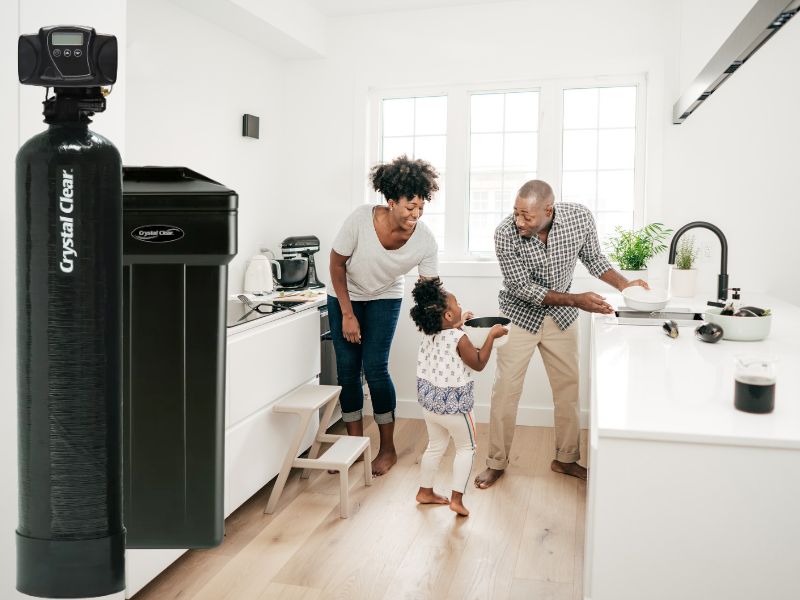
Noticing water spots on your dishes, soap that won’t lather, or limescale building up again? If you’re experiencing hard water after a water softener was installed, your system may not be operating as effectively as it should.
Common causes include low salt levels, regeneration problems, incorrect settings, or worn components. Before considering a costly replacement, it’s important to confirm whether your water is actually hard and identify what’s causing the problem.
Contact Crystal Clear Water Centres to book water softener service and get expert help restoring soft water to your Kitchener-Waterloo home.
Key Takeaways
- Hard water can return. Low salt, regeneration problems, incorrect settings, or worn components can prevent your water softener from removing hardness minerals effectively.
- Test before replacing. Comparing incoming and treated water with a hardness test helps determine whether your system is actually underperforming.
- Check the basics first. Review your salt supply, bypass valve, power connection, system settings, and displayed error messages before booking service.
- Know when to call a technician. Persistent hardness, unusual regeneration cycles, leaks, and recurring faults may require professional inspection.
- Compare repair and replacement options. Consider repair costs, system condition, capacity, warranty coverage, and ongoing operating expenses before making a decision.
- Start with a water test. Crystal Clear Water Centres can help assess your water, diagnose softener problems, and recommend appropriate repair or replacement options.
1. Why Do I Still Have Hard Water with a Water Softener?
If you still have hard water with a water softener, the system may not be removing enough calcium and magnesium from your water. Several issues can affect its performance, ranging from simple maintenance problems to worn or malfunctioning components.
Common reasons for hard water after a water softener include:
Low or Depleted Salt Levels
Most conventional water softeners use salt to regenerate their resin beads, which capture hardness minerals from your water. If the salt supply is too low, the system may not regenerate properly, allowing hard water to pass through.
A salt bridge, which is a hardened layer of salt that forms above the water in the brine tank, can also prevent proper regeneration.
The Bypass Valve Is Engaged
Water softeners typically have a bypass valve that allows water to flow around the system during maintenance or servicing. If the valve is accidentally left in the bypass position, untreated water will enter your home’s plumbing instead of passing through the softener.
Water Softener Regeneration Problems
Your water softener needs to regenerate periodically to restore the resin beads’ ability to remove hardness minerals. If the regeneration cycle is interrupted or not completing properly, the system may stop softening water effectively.
Common causes include control valve problems, blocked brine lines, and incorrect regeneration settings.
Incorrect System Sizing or Settings
A water softener that is too small for your household’s water usage or hardness level may not have enough capacity to meet demand. Incorrect hardness or regeneration settings can also prevent the system from treating water effectively.
If your household’s water usage or incoming water hardness has changed, the existing settings may need adjustment.
Worn or Damaged Components
Over time, internal components can wear out and affect the system’s ability to remove hardness minerals. Damaged resin beads, malfunctioning control valves, or other mechanical problems can contribute to hard water returning.

Confirm the Problem with a Water Hardness Test
Before assuming your water softener is failing or needs replacement, have your water tested. A water hardness test measures the concentration of calcium and magnesium in your water and helps determine whether the softener is actually removing these minerals effectively.
Testing both untreated and treated water can help establish whether the system is working properly and identify whether further troubleshooting or professional service is needed.
2. Confirm It’s Hard Water Before Replacing Your System
Before investing in water softener repair or replacement, confirm that hard water is actually the problem. Spots, cloudy glassware, soap residue, and white buildup can have other causes, so appearances alone are not enough to determine whether your water softener is failing.
Test Both Incoming and Treated Water
A water hardness test can help determine whether your softener is removing calcium and magnesium effectively.
For an accurate assessment, compare:
- Incoming water:
Test the untreated water entering your home to establish its original hardness level. - Treated water:
Test the softened water coming out of the system to determine how much hardness remains.
If treated water still contains significant hardness, the results can help identify whether your system is underperforming or needs further investigation.
Book a Free Water Test: Crystal Clear Water Centres can help assess your water quality and determine whether your softener is working as expected.
Distinguish New Mineral Deposits from Existing Buildup
Not every white spot or chalky deposit means your water softener is no longer working. Mineral scale can remain on faucets, showerheads, appliances, and glassware long after a softener has been installed.
Consider the following differences:
- Fresh mineral deposits:
New white spots, chalky residue, or scale appearing regularly may indicate that hard water is still entering your plumbing. - Existing scale:
Deposits that formed before your softener was installed may remain even after the water is properly softened. - Other residue:
Soap scum, detergent residue, and cleaning product buildup can resemble hard water deposits but may have different causes.
A water hardness test is a more reliable way to confirm whether hardness minerals are still passing through your system.
Why a TDS Reading Alone Doesn’t Confirm Hard Water
A total dissolved solids (TDS) meter measures the combined concentration of dissolved substances in water, including minerals, salts, and other dissolved materials. However, it does not identify which substances are present or measure water hardness specifically.
Because conventional water softeners exchange calcium and magnesium ions for sodium ions, the total dissolved solids reading may remain similar even when the water has been successfully softened.
The bottom line: Use a dedicated water hardness test rather than relying on a TDS reading to determine whether your water softener is working properly.
3. What Can You Check Before Booking Service?
Before booking water softener service, there are a few basic checks you can perform to help identify potential problems. Since water softener controls and operating procedures vary by manufacturer and model, consult your owner’s manual before making adjustments.
Use this checklist to review the basic operating conditions:
Water Softener Troubleshooting Checklist
Check that the brine tank has an adequate supply of the correct type of water softener salt. Look for signs of a salt bridge or hardened salt that may interfere with operation.
Confirm that the bypass valve is in the correct position to allow water to flow through the softener rather than around it.
Check that the system is plugged in and receiving power. Look for a blank display or other signs that the control valve may not be operating.
Review the programmed time, water hardness level, and regeneration schedule. Confirm that the settings match your system's requirements.
Check the control panel for warning lights, error messages, or unusual indicators. Record any displayed codes so a technician can identify potential issues.
Water softener controls and operating procedures vary by model. Refer to your owner's manual for specific troubleshooting instructions and recommended adjustments. Avoid changing unfamiliar settings or attempting internal repairs.
If these basic checks do not resolve the problem, or you are unsure how to proceed, contact a qualified technician for professional water softener service.
4. When Does Your Water Softener Need Professional Service?
If your water softener continues to produce hard water after basic troubleshooting, it may require professional attention. Some problems involve internal components, control valves, or regeneration systems that need to be inspected and repaired by an experienced technician.
Persistent Hard Water
Hardness tests continue to show significant mineral content in treated water despite checking the system's basic operating conditions.
Unusual Regeneration Behaviour
Your softener regenerates too frequently, fails to regenerate, or runs through its cycles at unexpected times.
Leaks or Water Damage
You notice water pooling around the softener, leaking connections, or moisture near the brine tank or control valve.
Recurring Faults
Error messages, warning lights, or operating problems continue to return after following the manufacturer's troubleshooting instructions.
A qualified technician can assess the system’s condition, identify the cause of the problem, and determine whether repairs are necessary.
Depending on the symptoms, a service inspection may include:
- Water hardness testing:
Test incoming and treated water to evaluate how effectively the system is removing hardness minerals. - Control valve inspection:
Check the valve, timer, and control settings for mechanical or programming problems. - Regeneration system inspection:
Examine the brine tank, injector, brine line, and related components to identify problems affecting regeneration. - Resin bed assessment:
Evaluate whether the resin beads are functioning properly and have sufficient capacity to remove hardness minerals. - Leak and connection checks:
Inspect plumbing connections, seals, and fittings for leaks or damage.
Once the inspection is complete, the technician can explain the problem and provide a recommendation for repair or replacement.
Need water softener repair in Kitchener-Waterloo? Contact Crystal Clear Water Centres to arrange professional service and get your system working effectively again.
5. Should You Repair or Replace Your Water Softener?
If your water softener is no longer performing reliably, the next decision is whether to repair the existing system or invest in a replacement. The right choice depends on the condition of your equipment, the cost of repairs, and whether the system still meets your household’s water needs.
Factors to Consider Before Making a Decision
Rather than replacing a softener based on age alone, consider the following factors:
Repair quotation:
Compare the estimated repair cost with the price of a suitable replacement, including installation. A relatively minor repair may be more economical than replacing the entire system.
Overall system condition:
Consider whether the system is in otherwise good working condition or has multiple worn or damaged components that may require attention.
Recurring faults:
If the same problems continue after repairs, replacement may offer better long-term reliability than repeated service calls.
System capacity:
Your household’s water usage or incoming water hardness may have changed. If your existing softener no longer has sufficient capacity, a properly sized replacement may be a better investment.
Warranty coverage:
Check whether the system or affected components are still covered under warranty. Coverage may reduce the cost of repairing an otherwise reliable unit.
Operating costs:
Consider ongoing expenses such as salt, water used during regeneration, maintenance, and potential repairs. A replacement system may offer operating advantages depending on its design and efficiency.
When Is Replacement the Better Option?
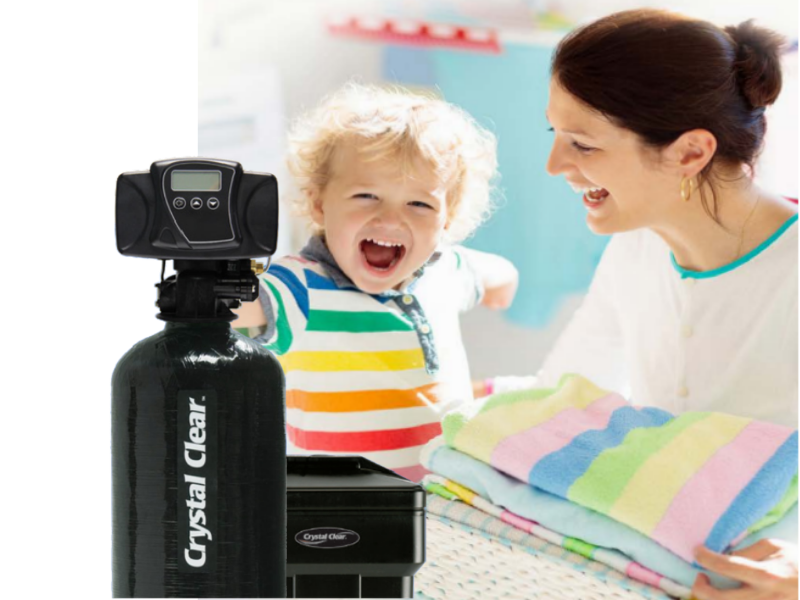
Replacement may make more financial sense when repair costs are substantial, problems are recurring, or the existing system no longer meets your household’s needs.
If your softener is generally in good condition and requires a straightforward repair, keeping the existing system may be the more practical choice.
Crystal Clear Water Centres can assess your current equipment, explain the available options, and provide a recommendation based on your water conditions and household requirements.
Explore our water softener systems or learn more about choosing the right water softener.
6. Frequently Asked Questions About Hard Water
What does a water softener do?
A water softener reduces water hardness by removing calcium and magnesium, the minerals responsible for hard water deposits and scale buildup. Most conventional water softeners use an ion exchange process, where resin beads capture hardness minerals and exchange them for sodium or potassium ions.
This helps reduce mineral buildup on plumbing fixtures, appliances, and water-using equipment while improving soap performance and reducing spots caused by hard water.
Is a water softener really necessary?
A water softener is not necessary in every home. Whether you need one depends on your measured water hardness, household preferences, and how hard water affects your plumbing, appliances, and daily routines.
If your water has significant hardness, a softener can help reduce scale buildup, improve cleaning performance, and protect water-using equipment. A free water test can help determine whether a water softener would benefit your household.
Is it worth having a water softener?
For many households with hard water, a water softener is a worthwhile investment. Benefits can include less mineral scale on fixtures and appliances, improved soap performance, and less time spent cleaning hard water deposits.
However, these benefits should be weighed against the purchase and installation price, ongoing salt costs, water usage during regeneration, and routine maintenance. The value depends on your water conditions and how much hard water affects your household.
Explore available water softener systems to compare your options.
What is the downside of a water softener?
Although water softeners offer several benefits, there are a few ongoing considerations:
- Salt requirements: Conventional ion exchange softeners require periodic salt replenishment to regenerate the resin beads.
- Maintenance: The system needs occasional inspections and maintenance to ensure it continues operating properly.
- Water usage: Regeneration uses water to flush accumulated hardness minerals from the resin bed.
- Sodium considerations: Conventional salt-based softeners add some sodium to treated water. The amount depends on the original water hardness. Households with sodium restrictions may wish to discuss drinking water options with a healthcare professional.
Choosing a properly sized system and maintaining it according to the manufacturer's recommendations can help manage these considerations.
Get Help with Recurring Hard Water in Kitchener-Waterloo
If hard water keeps returning despite having a water softener, Crystal Clear Water Centres can help identify the problem and determine the most practical solution. Whether your system needs a repair, adjustment, or replacement, our team can help you make an informed decision.
What to Expect After You Contact Us
Test
We assess your water hardness to determine whether your softener is removing minerals effectively.
Diagnose
We evaluate your existing system, identify potential problems, and determine whether repairs are practical.
Recommend
We provide a written recommendation outlining appropriate repair or replacement options so you can decide how to proceed.
Whether you need reliable water softener service or are considering a new system, Crystal Clear Water Centres can help you find the right solution for your home.
Ready to address your hard water problems?
I had a great experience with Crystal Clear Water. Their customer service is truly top notch. Dennis went above and beyond to help me. He patiently walked me through all their products and services, ensuring I understood everything and found exactly what I needed. He also checked in afterward to make sure everything was up to my expectations, which I really appreciated...Since having the softener and RO system installed, the difference in water quality is like night and day. They’re working great. I highly recommend Crystal Clear Water if you are looking for reliable service and a company that stands behind what they offer.
My family and I recently purchased both a water softener and a reverse osmosis (RO) system from Crystal Clear Water Centres, and we couldn’t be happier! From the initial consultation to installation, the team was knowledgeable and attentive. The products themselves are great quality — our water has never tasted better! The team made sure we understood how everything worked and followed up to ensure we were satisfied. It’s clear that they genuinely care about customer satisfaction and stand behind what they sell. We highly recommend Crystal Clear for anyone looking for reliable water treatment solutions!